Iphone 17 Series
Typography today is no longer static. It breathes, scales, and adapts—blurring the lines between function and expression.
Category:
Design and Strategy
Author:
Nishant
Read:
10 mins
Location:
New York
Date:
Sep 9, 2025
01. The Illusion of Choice
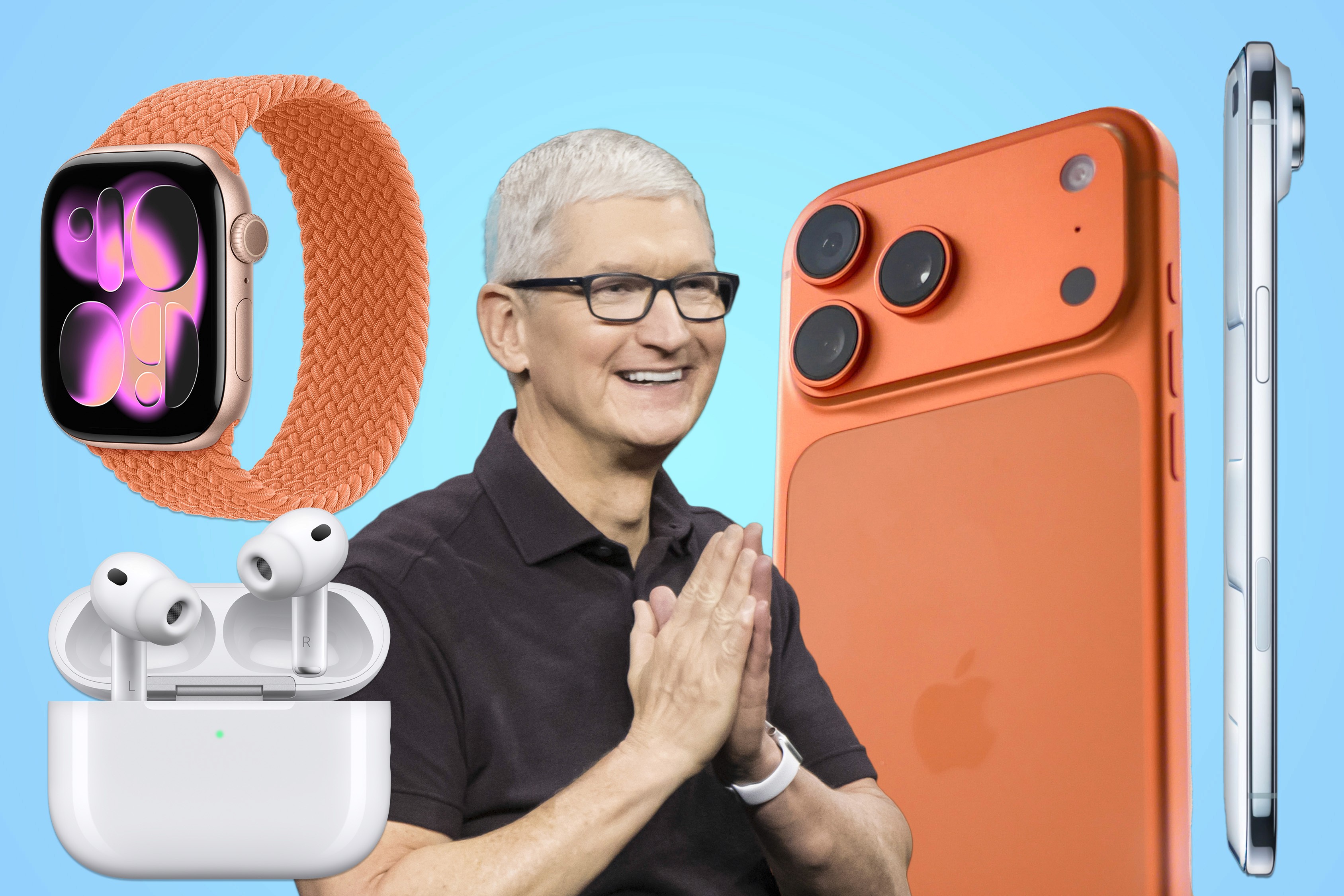
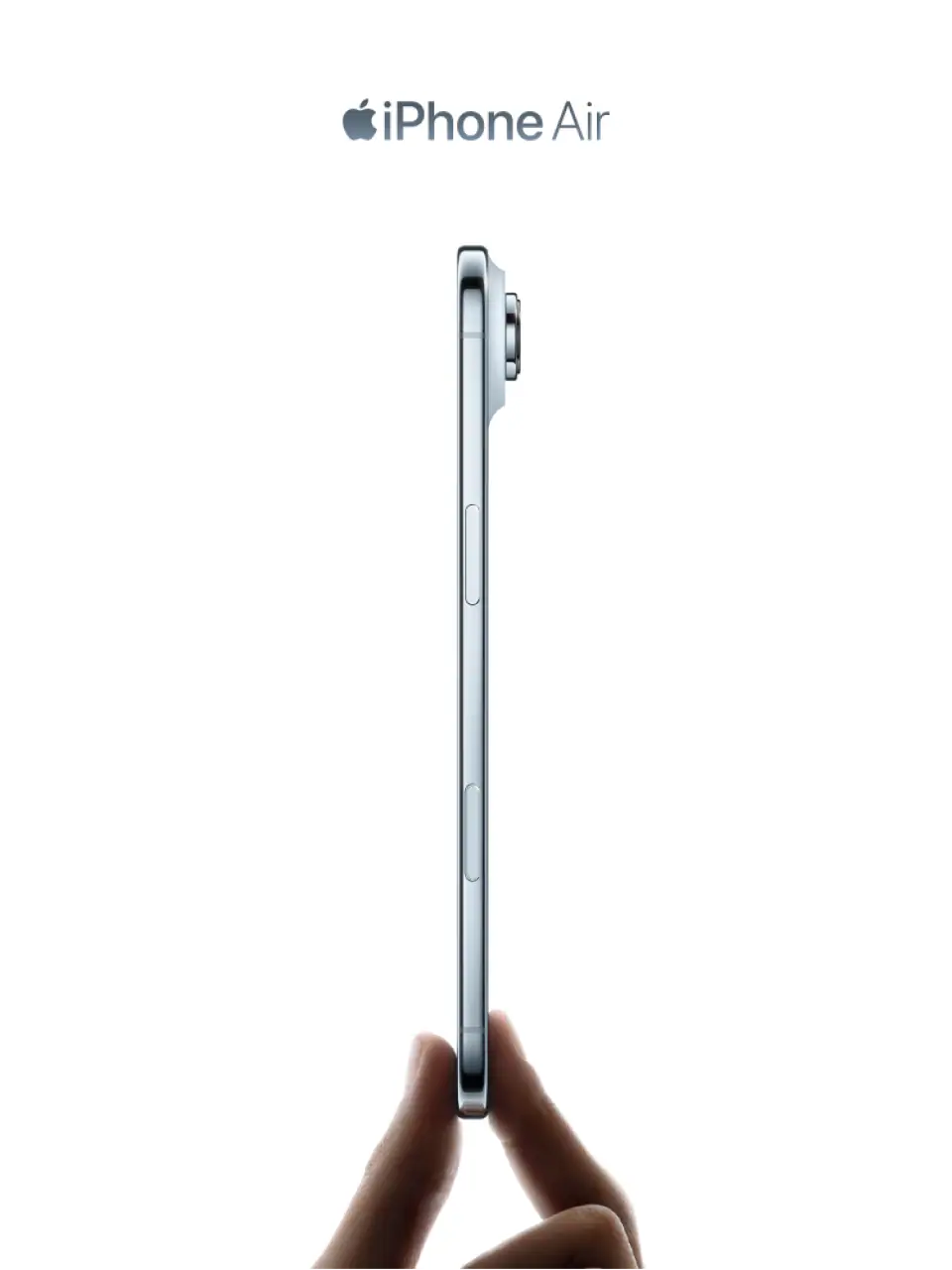
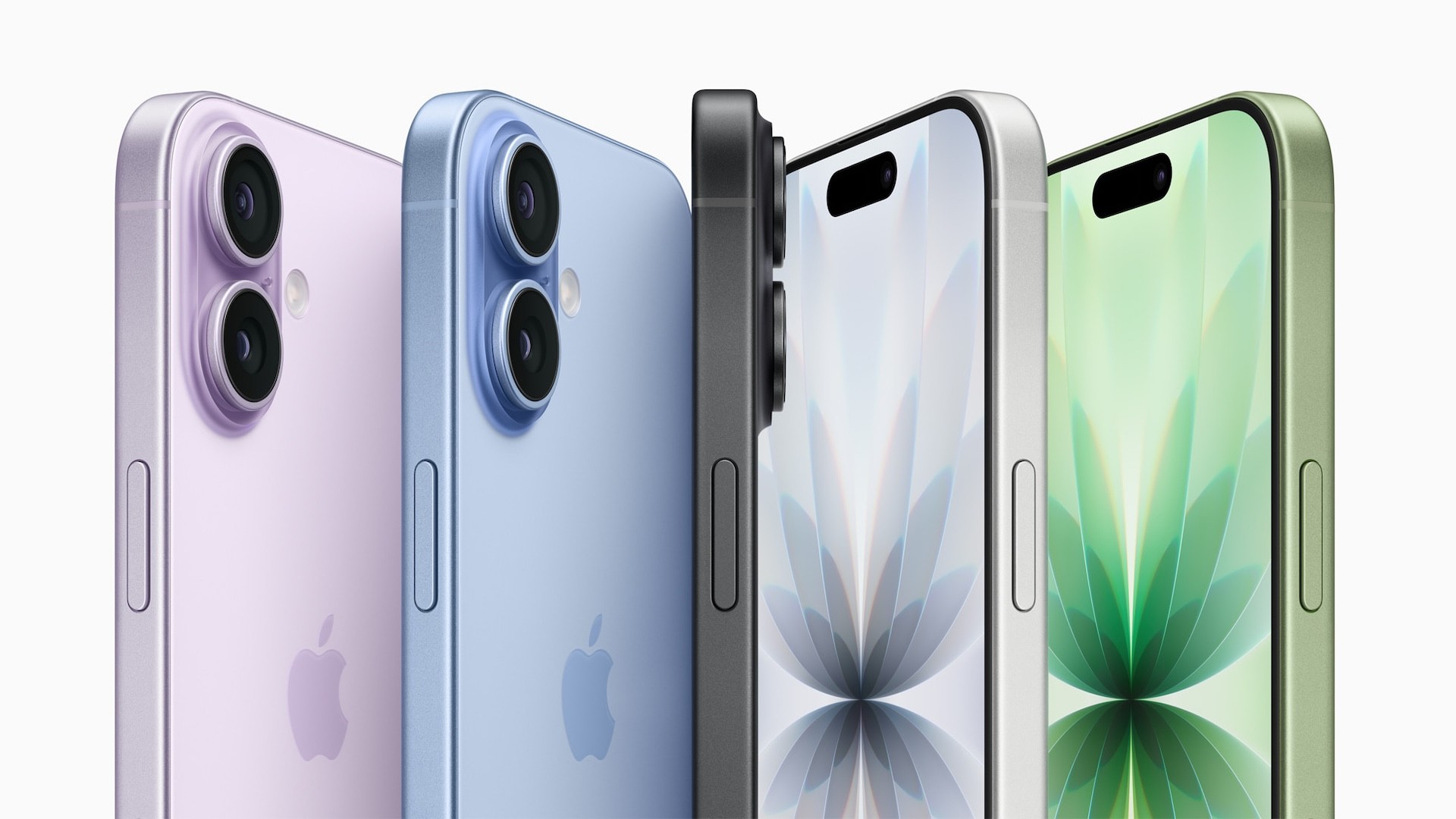
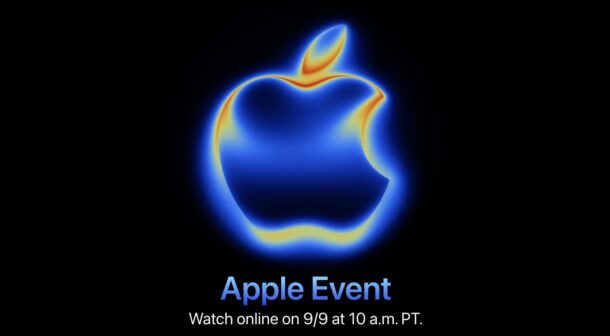
We like to believe we are rational actors making independent decisions. However, walking into an Apple store is walking into a carefully constructed psychological architecture. The iPhone 17 lineup is not a menu of options; it is a funnel designed to manipulate your perception of value. By positioning the new iPhone 17 Air, an impossibly thin design-first device, right between the standard model and the Pro, Apple has masterfully executed the "Goldilocks effect" or decoy pricing strategy. The Air, priced around $900 to $999, exists to make the $799 standard model feel like a "safe" budget choice. Simultaneously, it makes the $1,099 Pro model feel like a "no-brainer" upgrade for just a little more money. You aren't paying for features. You are paying to avoid the psychological friction of choosing the "wrong" phone. The decision you think you are making is actually an illusion; the pricing ladder has already made it for you.
02. The Death of Utility and the Rise of Signalling
The decision to kill the iPhone Plus and replace it with the iPhone Air is one of the most brilliant strategic pivots we have seen in years. The Plus failed because it was purely utilitarian. It was just a "big phone" that offered no social capital. In the world of modern marketing, utility is quiet, but novelty is loud. The iPhone 17 Air is a "visible novelty," a device distinct enough to be spotted from across a table to signal that you have the new thing. This is Apple tapping into the deepest tribal instincts of its user base. They understand that their "blind following" isn't about specs. It is about identity. By offering a phone that sacrifices battery and camera power for pure aesthetic thinness, Apple is betting that the flex of holding the thinnest iPhone ever matters more than the functionality of the device itself.




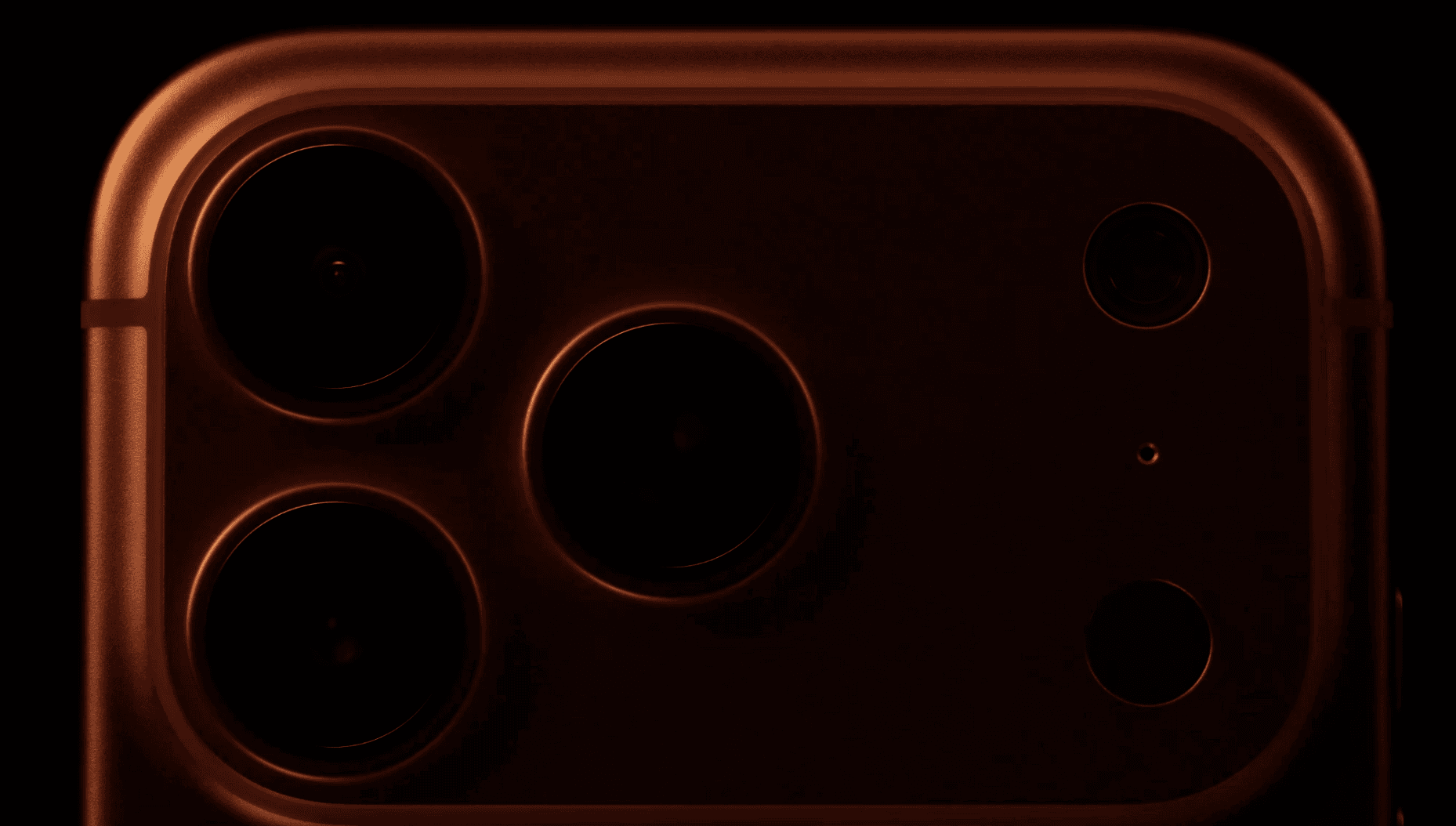
03. The Pro Trap This leaves the iPhone 17 Pro in a fascinating position. It is no longer just the "best" phone; it is the "rational" anchor that justifies the entire pricing structure. By stripping features from the Air (like the triple camera system and battery life) to achieve its form factor, Apple has arguably made the Pro look like a bargain by comparison. This is the genius of their upsell. They create a problem (the compromises of the Air) and sell you the solution (the uncompromising Pro). The strategy is ruthless but effective. They have effectively split the market into two emotional camps. There are those who buy for status (the Air) and those who buy for superiority (the Pro), ensuring that no matter which path you take, you are climbing higher up their value chain than you originally intended.
From SaaS dashboards to campaign pages, responsive type systems are becoming core to brand experience. These aren’t simply font choices—they’re design languages. Typography today informs layout, behavior, and personality. Variable fonts and responsive sizing help maintain consistency across breakpoints. Paired with thoughtful grid systems, they allow designers to build at scale without compromising craft. Typography is now strategy, not just styling. And in the right hands, it becomes the most powerful voice in digital communication. Discover real-world examples only on Akihiko Blogs.